The Sacred Area of Largo Argentina
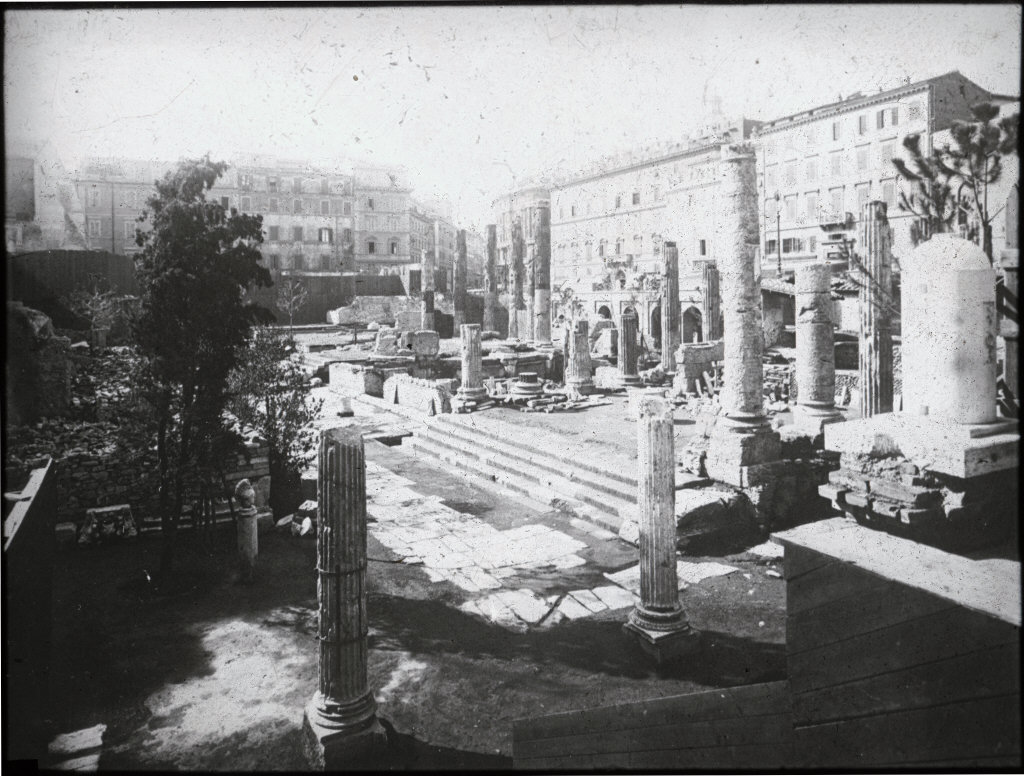
The Sacred Area of Largo Argentina is one of Rome's most important archaeological sites, where you can see the remains of four temples from the Republican era (3rd–2nd century BC), discovered during the demolition works of the 1920s.

Map of the Sacred Area showing the four temples
History of the discovery
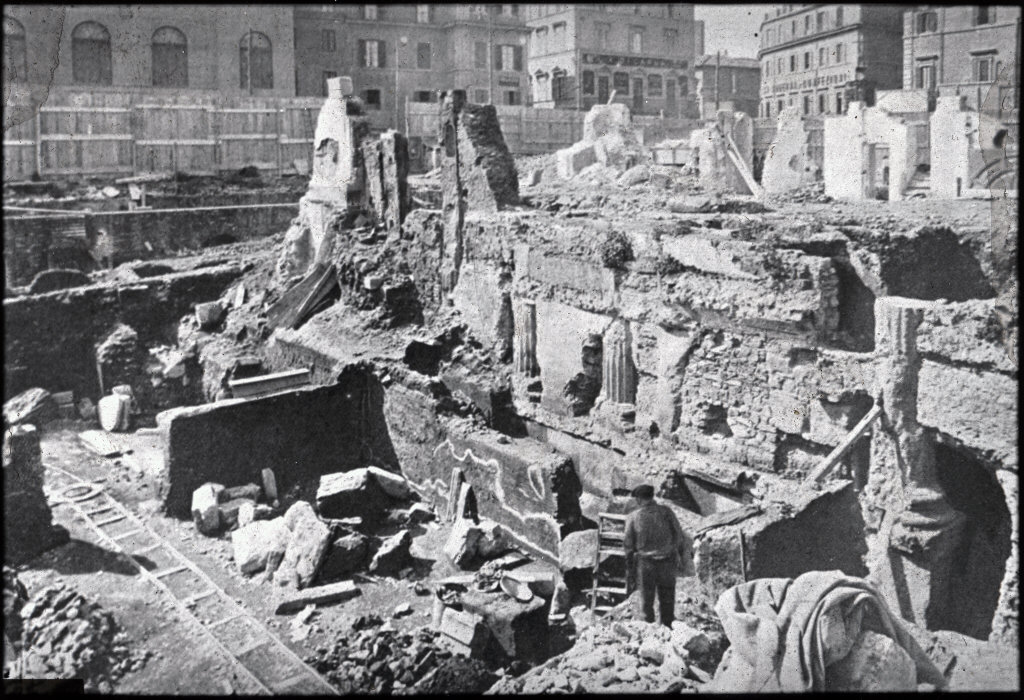
The Sacred Area of Largo Argentina came to light between 1926 and 1929, during the demolition and urban redevelopment works ordered by the Fascist regime. The discovery was so significant that the original plans were modified to preserve the archaeological remains, creating the current sunken square that allows the temples to be observed from above.
The name "Argentina" has nothing to do with the South American country: it derives from the corruption of "Argentoratum", the ancient Latin name of Strasbourg, the home town of Johannes Burckardt (Italianised as Giovanni Burcardo), who in the 15th century had a palace with a tower built in this area, called precisely "Torre Argentina".
The Ides of March
Tradition holds that the Sacred Area of Largo Argentina was the scene of Julius Caesar's assassination on the Ides of March, 44 BC. In fact, the murder took place in the nearby Curia of Pompey, which stood a short distance from the temples. Archaeological excavations have uncovered remains that may belong to the Curia of Pompey itself, confirming the proximity of the site of Caesar's death to the present-day Sacred Area.
The Four Temples
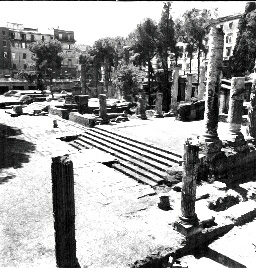
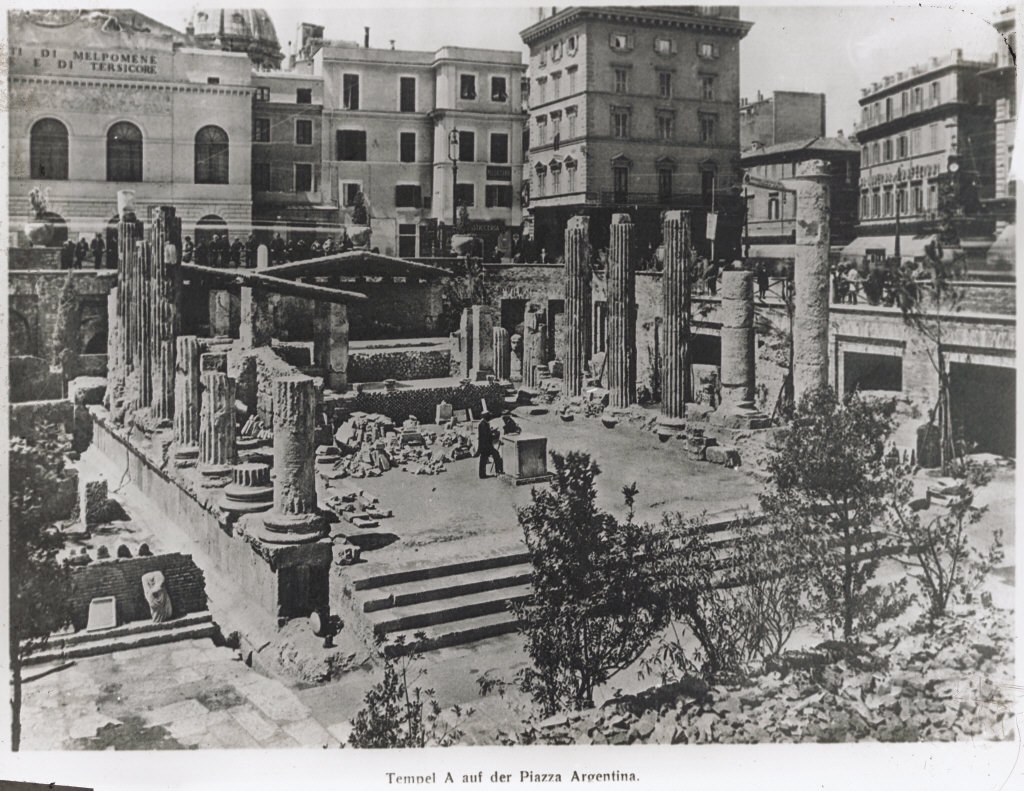
Temple A is the most recent of the four, dating from the late 2nd century BC. Rectangular in shape, it was probably dedicated to Juturna or to the goddess Feronia. Parts of the podium and a few columns survive.
Date: Late 2nd century BC
Style: Corinthian
Dedicated to: Probably Juturna or Feronia
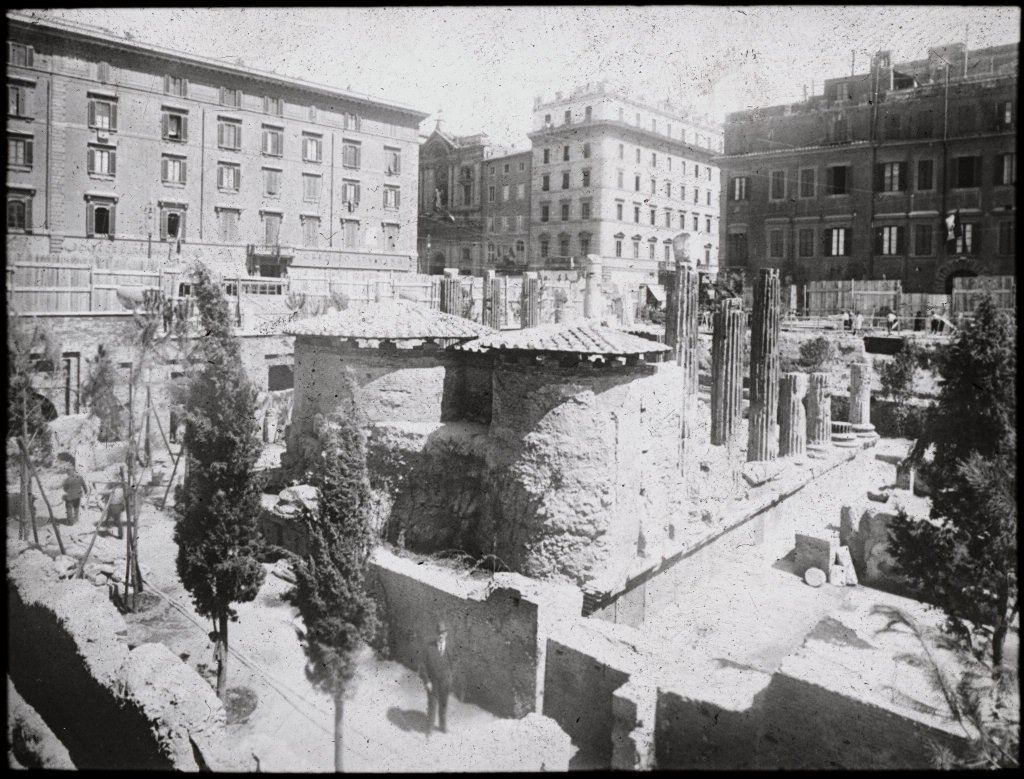
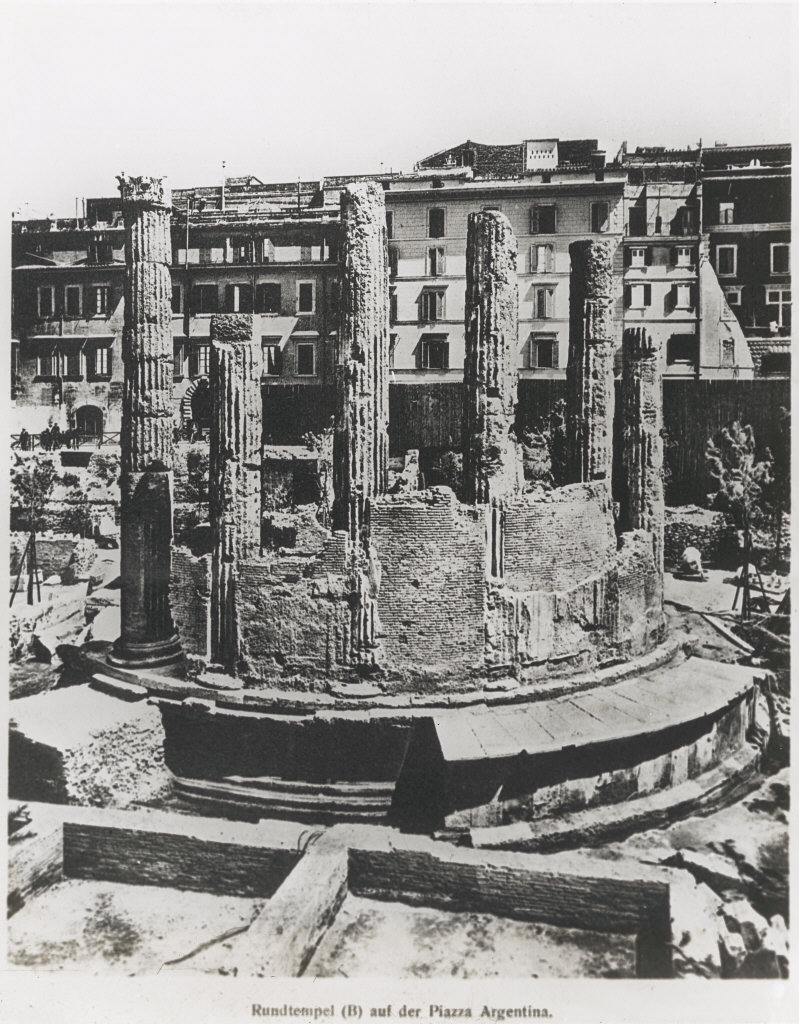
Temple B is the best preserved of the four. Circular in plan, with six Corinthian columns still standing, it dates from 101 BC and was probably dedicated to Fortuna Huiusce Diei (the Fortune of the Present Day).
Date: 101 BC
Style: Corinthian
Dedicated to: Probably Fortuna Huiusce Diei
Temple C is the oldest of the four, dating from the early 3rd century BC. Rectangular in shape, it was probably dedicated to Feronia, an ancient Italic goddess associated with fertility and woodland.
Date: Early 3rd century BC
Style: Italic
Dedicated to: Probably Feronia
Temple D dates from the mid-2nd century BC and was probably dedicated to the Lares Permarini, protector deities of sailors. Parts of the podium and some columns survive.
Date: Mid 2nd century BC
Style: Tuscan
Dedicated to: Probably the Lares Permarini
The Cat Colony
The Sacred Area of Largo Argentina is also home to a famous cat colony, which has become one of the site's tourist attractions. The cats live among the temple ruins and are cared for by volunteers. A cat shelter has been set up in the underground level of the archaeological area, and is open to visitors.
Photo Gallery

Visiting information
Opening hours:
Tutti i giorni: 9:00 - 19:00 (Aprile - Ottobre)
Tutti i giorni: 9:00 - 16:30 (Novembre - Marzo)
Tickets:
Intero: €5,00
Ridotto: €3,00 (studenti, over 65)
Gratuito: minori di 18 anni
How to get there:
Autobus: linee 30, 40, 46, 62, 64, 70, 81, 87, 492, 628
Tram: linee 8
Metro: linea B (fermata Colosseo, poi 15 minuti a piedi)
Address:
Largo di Torre Argentina
00186 Roma RM